
NATA Hosts Briefing in D.C.
NATA hosted a briefing May 21 on Capitol Hill that was focused on the expanding role of athletic trainers within the U.S. armed services and their growing importance to warfighter readiness. The event brought together House and Senate staffers, key stakeholders and military health leaders to discuss how athletic trainers support service members across operational, rehabilitation and human performance settings.
The briefing reinforced a central message: Athletic trainers within military environments have become integral members of interdisciplinary medical and performance teams tasked with keeping service members healthy, deployable and mission ready. Guest speakers emphasized that athletic trainers serve as force multipliers by improving readiness, reducing injury-related downtime and extending the effectiveness of military health care teams.
Speakers included Captain Select Kevin Bernstein, MD; Captain James Hammond, DO; Colonel Brian McGuire (ret); and athletic trainers Michael Hooper, MS, LAT, ATC, Amos Mansfield, MBA, LAT, ATC, Jason Robey, PhD, LAT, ATC, and Andy Carter, MS, LAT, ATC. Together, they provided an overview of how the profession has evolved within military medicine, the operational value athletic trainers provide and the policy barriers that must be addressed.
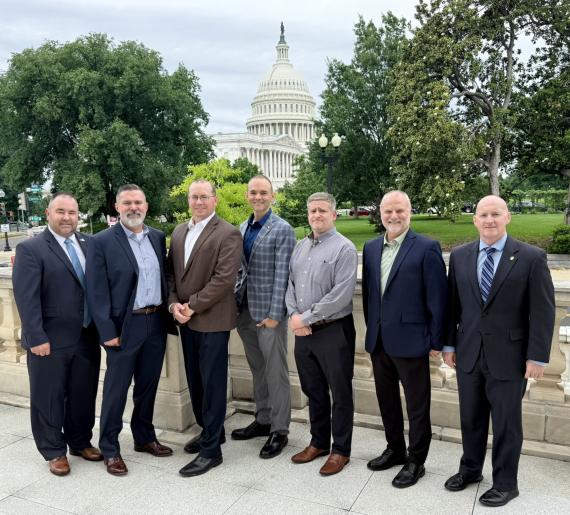
Andy Carter, MS, LAT, ATC, Amos Mansfield, MBA, LAT, ATC, Jason Robey, PhD, LAT, ATC, Michael Hooper, MS, LAT, ATC, Captain Select Dr. Kevin Bernstein, Captain Dr. James Hammond, Retired Colonel Brian McGuire, MS, ATC
A major theme throughout the discussion was warfighter readiness. Speakers explained that athletic trainers help reduce musculoskeletal injuries, improve recovery timelines and maintain operational performance across military populations. In many cases, athletic trainers serve as frontline health care providers who identify injury risk early, implement preventative strategies and keep service members functioning at high levels before injuries become severe enough to remove them from duty. Their ability to provide proactive care makes them critical force multipliers across operational units.
Panelists highlighted the unique environments in which athletic trainers are currently embedded, including work with Special Operations Forces, within the Army’s Holistic Health and Fitness program and across broader human performance initiatives throughout the Department of War. These roles place athletic trainers alongside physicians, physical therapists, strength specialists and tactical leadership in highly integrated performance models designed to maximize force capability.
Presenters also discussed how the profession has evolved over time. Historically, athletic trainers in military settings were limited in number and often underutilized. Today, their scope and visibility have expanded considerably as military leaders increasingly recognize the burden musculoskeletal injuries place on force readiness and health care costs. Athletic trainers are now serving in more advanced clinical and operational capacities, contributing not only to rehabilitation but also to proactive injury mitigation and performance enhancement.
Several of the speaker pointed to the future demand for athletic trainers within the military health system. As the Department of War continues to emphasize readiness, resilience and injury prevention, the need for qualified athletic trainers is expected to grow. Their expertise positions them to support evolving military priorities and improve outcomes across the force.
At the same time, speakers acknowledged that important policy and structural challenges remain. One of the most significant issues discussed was credentialing and privileging through the Defense Health Agency. Multiple panelists stressed that consistent DHA credentialing and privileging processes are essential to ensuring athletic trainers can practice to the full extent of their education and clinical competencies across military treatment facilities and operational assignments.
Throughout the event, speakers shared practical examples of athletic trainers supporting elite military units, reducing downtime from injuries and helping service members safely return to operational status. These examples demonstrated how athletic trainers contribute directly to military effectiveness, operational readiness and long-term force health protection.
The briefing concluded with a call for continued collaboration between NATA, Congress and military leadership. NATA staff indicated they will continue following up with congressional offices and stakeholders to provide additional information and educational resources.