
Michael O'Shea's career began as a student AT at The University of Texas. While serving in the United States Air Force, O'Shea worked as an athletic trainer at the Air Force Academy and was awarded the Noncommissioned Officer of the Year in 1971. Following his service in the Air Force, O'Shea worked in both the professional and collegiate settings and, since 1993, he has served the University of Houston as head athletic trainer. In 1981, O'Shea wrote a book called The History and Development of the NATA, the first book to cover the history of the association. Selflessly, he donated all proceeds from book sales to NATA. Celebrated by his peers, O'Shea has received numerous awards at the state, district and national levels. In 1999, he earned the Professional Football Athletic Trainers Society Distinguished Alumni Athletic Trainer award. He received the NATA Most Distinguished Athletic Trainer award in 2005, the University of Houston Alumni Chairs Award in 2017 and will be inducted into the Southwest Athletic Trainers' Association Hall of Fame in 2017.
NATA Hall of Fame


Since the beginning of her accomplished career, Tanya Dargusch has been a game-changer within the profession. An advocate for athletic trainers in the secondary school setting, Dargusch's work on the NATA Council on Employment helped to spearhead a national market penetration plan specifically for the secondary school setting and contributed to better representation of secondary school ATs on a national level. As chair of the District Secretaries'/Treasurers' Committee, she led efforts to create best practices guidelines for all district secretaries and treasurers. Dargusch was instrumental in acquiring the funding for an association liaison to the American Academy of Family Physicians, which resulted in the introduction of the AT in a physician practice setting on a national platform. In addition to being one of the first women in the industrial setting, Dargusch was the first female elected as a District Two Executive Board secretary.

David Craig is known for his presence and leadership, both courtside and beyond. Craig graduated from Purdue University, where he was mentored by the legendary “Pinky” Newell. He spent 35 years as the Indiana Pacers' Head Athletic Trainer, working with the 1970 and 1971 ABA Championship teams and the 2000 Eastern Conference champions. In 1984, Craig was elected as the first president of the Indiana Athletic Trainers' Association and contributed to the licensure and reimbursement of ATs in his state. Craig served as an athletic trainer for the 2003 Pan American Games in Santo Domingo and the 2004 USA Olympic men's basketball team in Greece. Craig has held countless leadership positions at the state, district and national levels and received numerous awards including the Joe O'Toole NBA Athletic Trainer of the Year Award and the NATA Most Distinguished Athletic Trainer Award.

A leader at the state, district and national levels, Eric McDonnell has committed his career to the advancement of the athletic training profession. McDonnell has served as a member of the NATA Board of Directors, Chair of the NATAPAC Board of Directors, Governmental Affairs Committee Chair, and NATA Annual Meeting Host Committee Chair in 2003, and on various task forces and workgroups. Through his governmental affairs efforts, states under regulatory control increased from 28 to 49 and funding for state legislative activities increased. An activist for the Association's federal legislative agenda, McDonnell has attended every Capitol Hill Day since its inception and regularly advocates on behalf of the profession. McDonnell is currently an athletic trainer at the University of Missouri, where he has served athletes for more than 30 years.
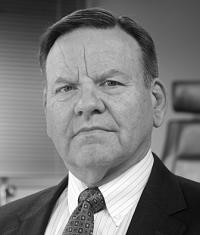
Gary Wilkerson is a renowned educator, researcher, clinician and respected expert in his field. Wilkerson is a leader in clinical effectiveness studies and predictive modeling for injury prevention. In 1990, he led a research study conducted at the United States Air Force Academy and in 1996 he served as a member of the polyclinic medical staff for the Olympic Games in Atlanta. Wilkerson is celebrated by his peers and has received numerous awards and accolades. He was named a Fellow of the NATA in 2008 and was inducted into the Southeast Athletic Trainers' Association Hall of Fame in 2010. In 2015, he spoke in the J&J Featured Presentation in St. Louis. He is currently a professor at the University of Tennessee at Chattanooga where he has taught since 2000.

Michael Goldenberg has impacted the athletic training profession through his trailblazing efforts to integrate technology to improve and promote the profession. The District II webmaster since 1998, Goldenberg introduced listservs, text and voicemail campaigns, online voting and various online tools, and established many state and district websites. As the DII Director, he launched the Communicate, Activate, Serve program to increase communication, as well as membership involvement in District II programs. In 2000, he founded and chaired the NATA Webmaster's Advisory Group. As a member of the NATA Board of Directors, he was heavily involved in decisions that positively impacted the Association and profession, including the NATA logo change, the nomenclature study, the professional degree decision and the resurgence of the Joint Committee Meeting.

Patrick Sexton's illustrious career is marked by his dedication to service at all levels of the profession. Sexton has served on numerous committees, work groups and task forces, including as a member of the Joint Review Committee on Athletic Training Education, a member of the ECE Professional Education Committee and vice-chair of the Commission on Accreditation of Athletic Training Education. A mentor and example to many, Sexton was elected Vice President of the Wyoming Athletic Trainers' Association and President of the Wisconsin Athletic Trainers' Association, and held several leadership positions with the Minnesota Athletic Trainers' Association. He is also a recognized author and presenter. Sexton is the current Athletic Trainer Director of the Board of Certification and is the Director and Professor of Athletic Training at Minnesota State University, Mankato.

Bob Gray is known for his passion for athletic training and his devotion to the growth of his colleagues and the profession as a whole. Gray, a respected clinician, is the Coordinator of Athletic Training at the Cleveland Clinic Sports Health, his employer since 1991. Sought-after for his expertise, Gray was named as the ATC Observer for the National Football League, a position he has held since 2011, and was named the Head Athletic Trainer for the NCAA Division I basketball regional finals in 2015. Recognized at the local, district and national levels, he was awarded the NATA Most Distinguished Athletic Trainer Award in 1998, he was inducted into the Ohio Athletic Trainers' Association Hall of Fame in 1999 and, in 2010, he received the Golden Pinnacle Award from the Great Lakes Athletic Trainers' Association. Gray currently serves on the NATA Foundation Board of Directors.
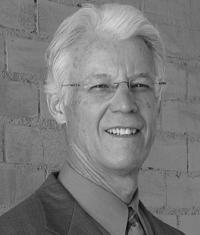
Scott Linaker has dedicated his career to advancing the profession of athletic training through his leadership and service. An advocate for athletic trainers in the secondary school setting, Linaker spent more than 20 years as the Head Athletic Trainer at Canyon del Oro High School. Linaker was elected President of the Arizona Athletic Trainers' Association in 1990, and the Rocky Mountain Athletic Trainers' Association in 1998. During his presidency, the RMATA Leadership Development Program was created to foster leaders within his district and the entire profession of athletic training. Linaker has held numerous positions at the national level, including on the NATA Board of Directors, Hall of Fame Committee and the NATA Board of Certification.

Brian Robinson has impacted his profession through his passionate advocacy for athletic trainers, particularly those in secondary schools. As the head athletic trainer at Glenbrook South High School since 1977, he established an athletic training program that set a precedent for secondary school athletic training programs everywhere. At Glenbrook, he developed a concussion management program, a rehabilitation program for injured athletes and a database for tracking injuries and treatment plans. Robinson's efforts as chair of the Secondary School Athletic Trainers' Committee, along with his countless presentations, articles and television appearances, have advanced the role and recognition of the secondary school AT and vastly improved the health care for secondary school athletes.