Representation Matters at Every Level
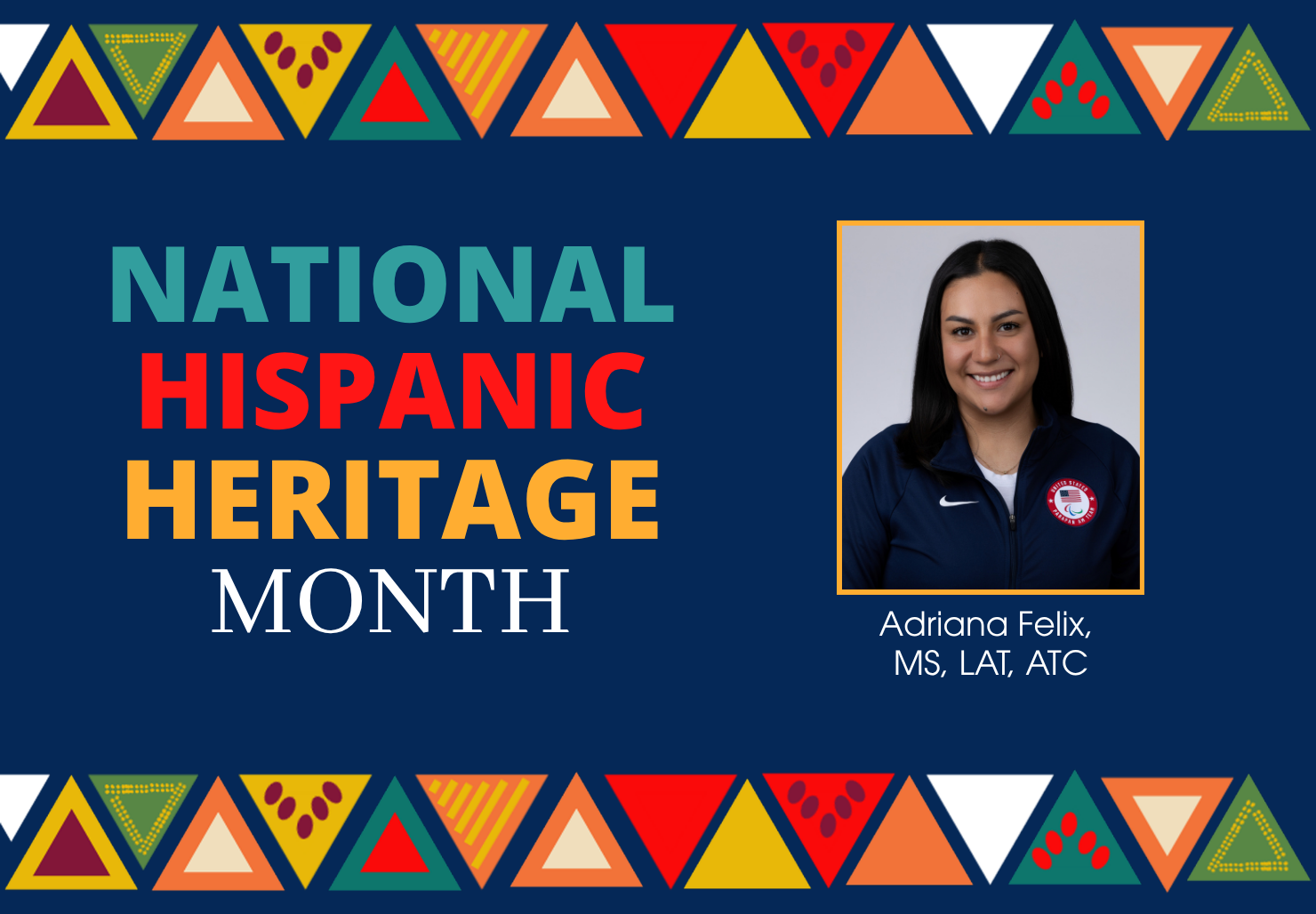
In honor of National Hispanic Heritage Month Sept. 15-Oct. 15, NATA Now, in collaboration with the NATA Ethnic Diversity Advisory Committee, is highlighting some of our state, district and national leaders and sharing insight into their drive to give back to the profession.
The first athletic training conference Adriana Felix, ATC, attended, she sat in a room of people who had spent years building the profession she was just entering. She left feeling inspiration, motivation to contribute and excitement about how much further the profession could go.
Felix started her leadership journey small, first by volunteering at recreational sporting events, then as a moderator during a California Athletic Trainers' Association Annual Meeting. Now serving on the national level as the NATA Ethnic Diversity Advisory Committee District Seven representative, she sees more opportunities to connect ATs to one another as well as to resources and support.
"I've learned that leadership doesn't always mean having a formal title or being the person in charge," she said. "Sometimes it means showing up, listening, creating opportunities for others and being willing to contribute where you can."
In this Q&A, Felix discusses what she hopes to accomplish on EDAC, why representation in leadership matters and what she tells ATs who want to give back but aren't sure how to start.
What inspired you to pursue athletic training, and what was the moment you knew this was the profession for you?
Growing up in sports without access to an athletic trainer motivated me to pursue the profession because I wanted to help fill that gap for other athletes. I’ve been incredibly fortunate to have great mentors throughout my career, and they continue to inspire me to grow both personally and professionally while contributing to the growth of the profession.
There wasn’t one specific moment when I realized athletic training was the right path for me. Rather, it was the accumulation of new experiences, challenges and opportunities to problem-solve that helped me recognize how much I enjoy the profession. Each experience has challenged me to grow, reinforced my passion for working with athletes and, ultimately, showed me that I could see a long-term future in athletic training.
What was your first volunteer position within the athletic training profession and why did you get involved?
University of California at Santa Barbara Recreational Sports was my first volunteer experience in the field of athletic training. Kelly Walsh, ATC, ran an incredible program that provided opportunities to learn about athletic training and gain hands-on experience volunteering at sporting events. That experience helped me find direction, feel connected to a community and recognize the impact of an athletic trainer.
Later, I went on to pursue my graduate degree at Point Loma Nazarene University, where service to others is one of the core pillars of the program. Through the program, I had the opportunity to participate in pro bono clinics, the JCC Maccabi Youth Games and many other service experiences that expanded my perspective and instilled a desire to continue being involved in the community.
From an organizational involvement standpoint, I initially became involved as a speech moderator. The first conference I attended was the California Athletic Trainers’ Association Annual Meeting in Anaheim. I remember feeling inspired by the athletic trainers in the room who had come before me and contributed to the profession. Seeing their dedication and involvement motivated me to continue giving back and becoming more engaged in the profession so I could help create those same opportunities for future generations.
Tell us about your current volunteer position and what you hope to accomplish in this role.
In my current volunteer role as the NATA Ethnic Diversity Advisory Committee District Seven representative, I hope to continue building on the foundation that was established for me by increasing representation and engagement within the athletic training profession. I want to support initiatives that are already taking place while also creating opportunities to bring together ideas, resources and perspectives from across a large district. I see this role as an opportunity to listen, collaborate and help connect athletic trainers so we can learn from one another and continue strengthening the profession.
Why is representation in leadership important and how does it impact the profession?
Representation matters at all levels of the athletic training profession. When people see someone who shares their background, experiences, or perspective in a leadership role, it creates a tangible example of what is possible for them. Representation provides perspective that helps identify gaps, challenge assumptions and develop solutions that better serve the diverse populations we work with. It’s about creating an environment where people feel seen, valued and empowered to contribute.
How has volunteering helped you grow personally and professionally?
Volunteering is a way to stay connected to an aspect of the profession that is far greater than oneself. It has given me opportunities to contribute to something beyond my individual role and reminded me that the strength of our profession comes from the people who are willing to invest their time and energy into it.
Professionally, volunteering has allowed me to build my network, learn from individuals with different experiences and gain perspectives that I may not encounter in my day-to-day clinical work.
Personally, volunteering has reinforced how important service is to me. Serving others is one of the pillars of how I approach both my career and my life. I’ve learned that leadership doesn’t always mean having a formal title or being the person in charge; sometimes it means showing up, listening, creating opportunities for others and being willing to contribute where you can.
What’s your fondest memory of serving so far?
I’m still relatively new to this role, so I’m looking forward to creating more memories as I continue to serve. One of my fondest experiences so far has been how welcomed I’ve felt by the committee. Even though I serve remotely, the committee has made a genuine effort to make me feel included and connected.
What advice do you have for other athletic trainers who want to give back to the profession?
Get involved and seek out opportunities to serve. There are so many ways to get involved, whether that’s volunteering at an event, joining a committee, moderating a session, mentoring a student, or simply offering your time and perspective.
I would also encourage athletic trainers to seek mentorship from people who are already involved. Ask questions, learn from their experiences and don’t be afraid to put yourself out there. You never know where one opportunity or connection may lead.