
AT Helps Keep the Show Going
When the COVID-19 pandemic took hold in March 2020, Broadway went dark and theaters across the country closed, forcing performers and dance companies to figure out how to navigate the unknown circumstances ahead of them.
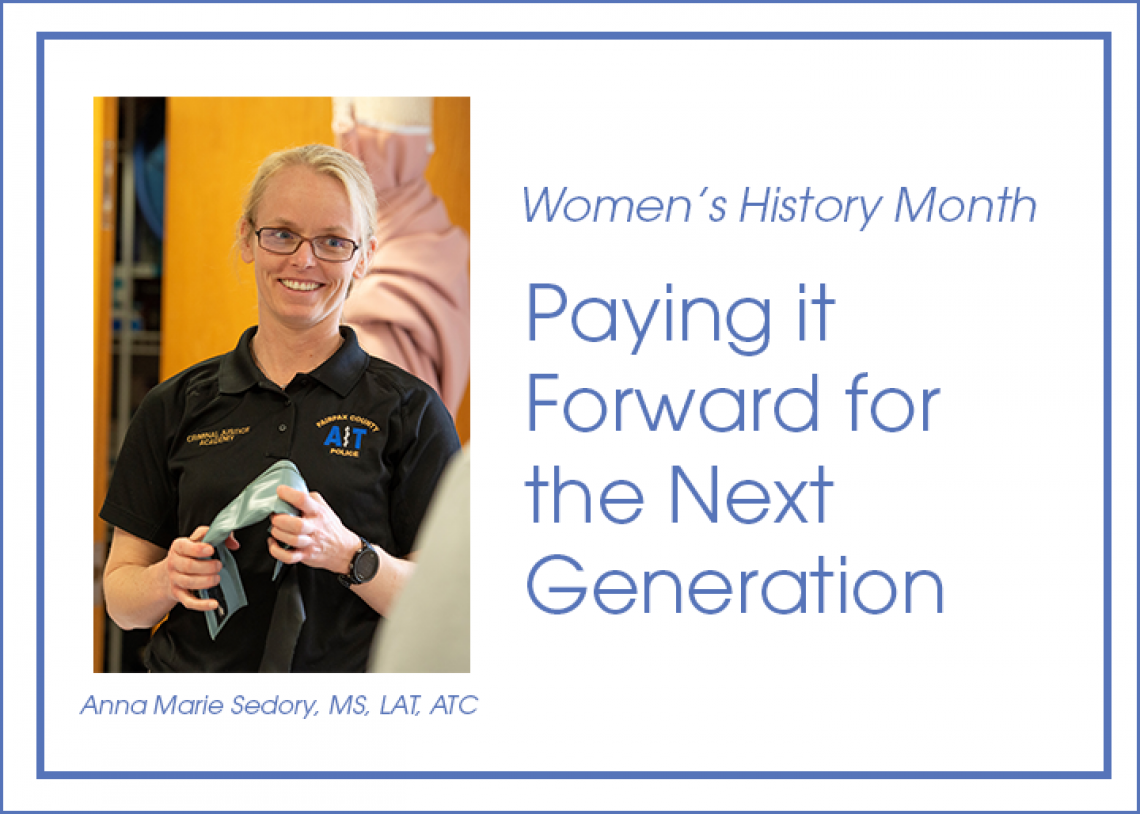
The March NATA News features an article about women in leadership and how to address barriers and challenges to becoming a leader. In honor of Women’s History Month this March, NATA would like to keep this conversation going through a monthlong blog series highlighting our female leaders.
After years of discussion and brainstorming, the NATA Council on Practice Advancement will hold the first-ever NATA COPA Con 2021 Virtual Conference on Practice Advancement live from 2 to 6 p.m. CST March 26 and from 10 a.m. to 1 p.m. CST March 27, and on-demand through April 27.
Hiring athletic trainers to care for local public safety departments is gaining momentum in cities across the U.S. Because of the support and funding necessary to incorporate athletic training services into government budgets, finding their place in smaller communities to provide care might be intimidating to ATs.
By Ellie Daniels, MSAT, LAT, ATC
The athletic training profession equips ATs with a diverse set of skills that allows them to work throughout health care. While some athletic trainers work directly with patients and athletes in the clinical setting, others can be found in hospital administration and occupational health.
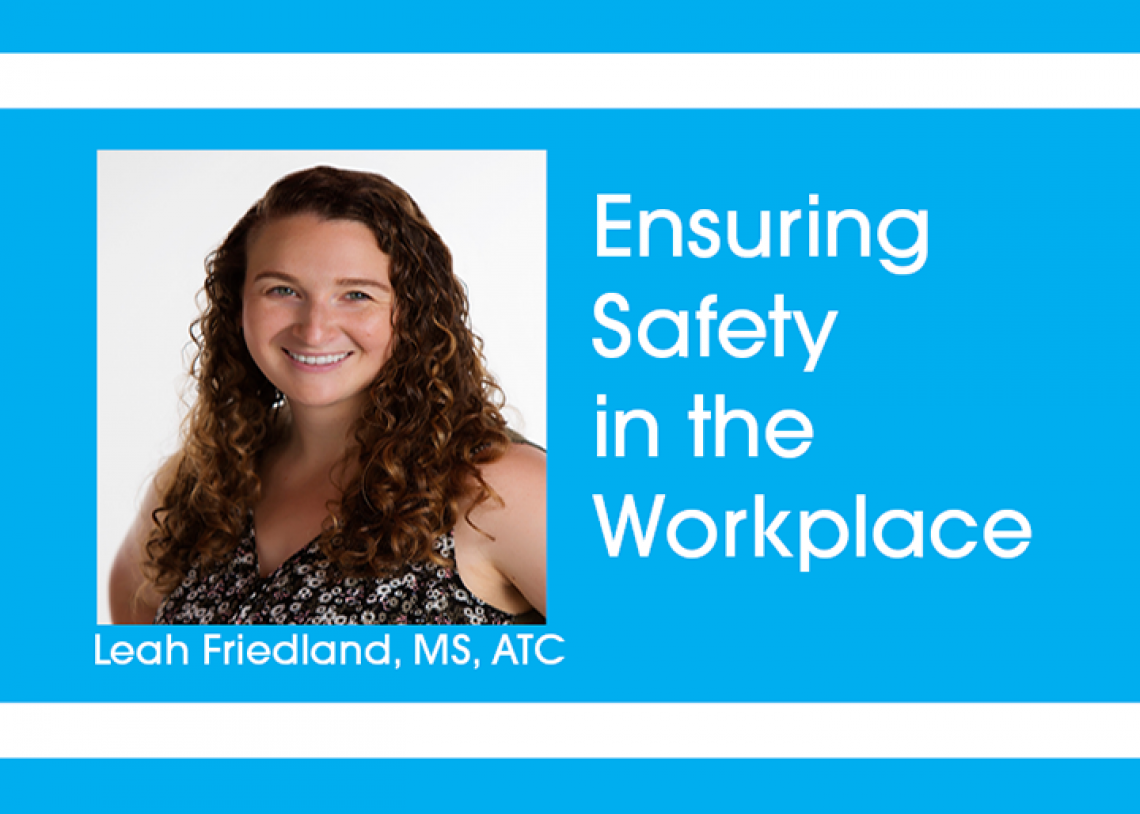
Leah Friedland, MS, ATC, is the program leader for Workforce Health and Safety at Northwestern Medicine Hospital.
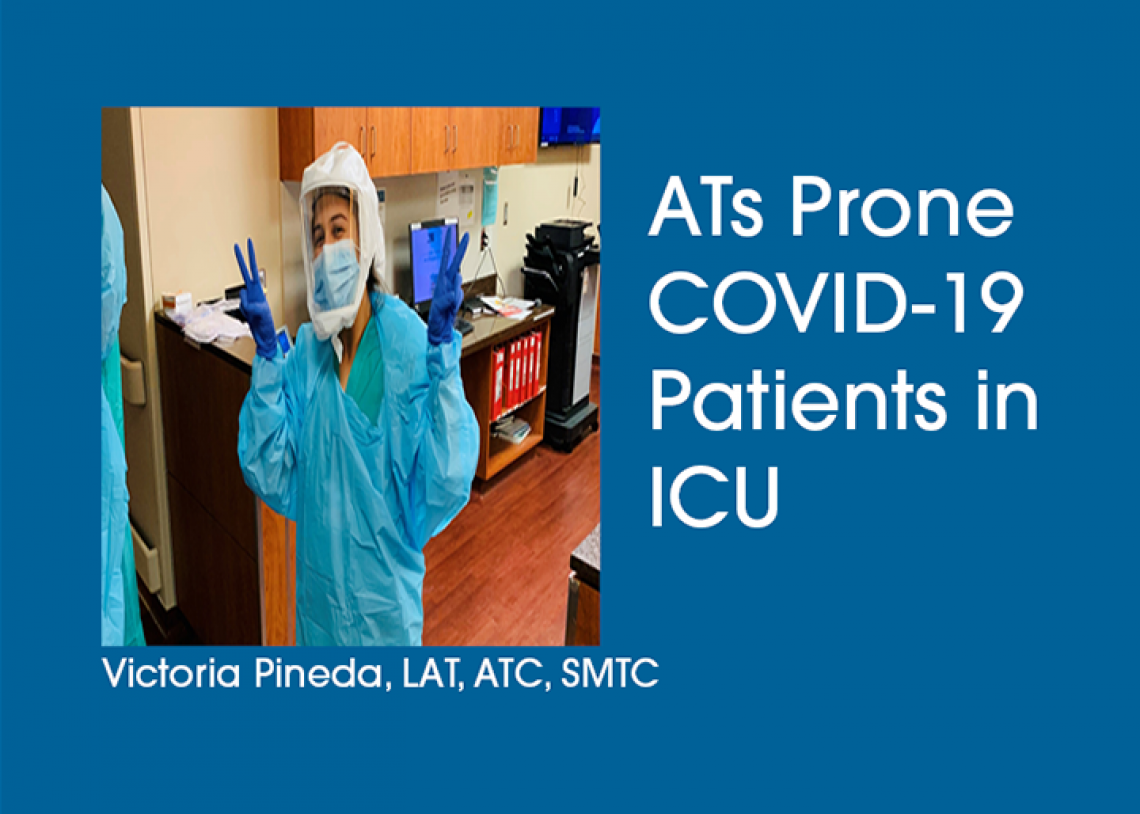
Athletic trainers have found themselves in unique positions during the COVID-19 pandemic. They have been able to work alongside other health care professionals assisting in a variety of capacities. Whether checking temperatures, testing possible coronavirus-positive people or integrating telehealth, ATs have proved their value.
As health care professionals, athletic trainers should be part of the conversation when preparing for employees to return to work during the COVID-19 pandemic. The Public Safety Committee, housed within the Council on Practice Advancement (COPA), recently released the Temperature Flow Chart resource for ATs to share with their organization’s planning teams or administration when preparing to return to work.