NATA Hall of Fame

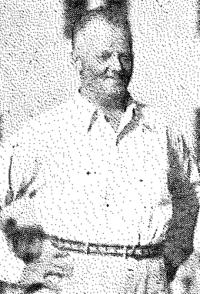
Frank Mann - 1962

1886 - 1957

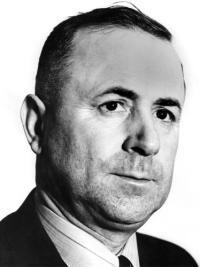
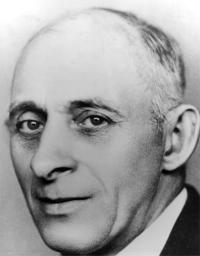
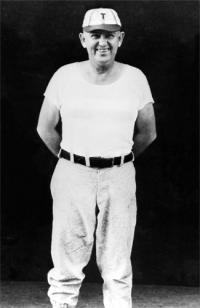
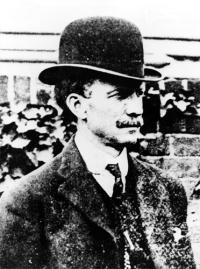
Frank Mann, who served for almost 25 years as athletic trainer at the University of Kentucky, is the original advocate for college athletic trainers. In 1906 he started his athletic training career at the University of Indiana, working next at Iowa, the University of Chicago and Purdue before landing at Kentucky.

Frank Wandle - 1962

1885 - 1960

Frank Wandle was athletic trainer at Army, Louisiana State University and Yale, where “The Major” revolutionized conditioning and wrote a rules book for the football team. Among Wandle's advice: “Of course there will be days of sunshine and days of darkness. Think of the bright side of life. Tomorrow the sun will be shining again.”
George Nelson - 1962

1890 - 1970

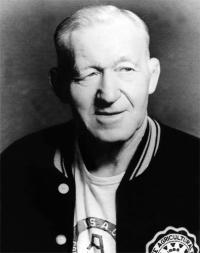
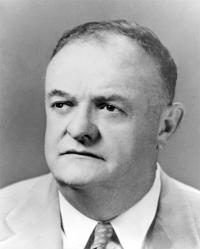
When he was 16 years old, George “Doc” Nelson worked as a cabin boy on a ship bound from Sweden to the U.S. He gave up life at sea and landed at Utah State University in 1921 to become the first athletic trainer in the school's history. Nelson, a top wrestler in his prime, also coached Utah State grapplers to 10 Rocky Mountain Conference championships before retiring in 1958.

Herb Patchin - 1962

1902 - 1963

Herb Patchin, who studied with Matt Bullock at the University of Illinois, became the head athletic trainer at Virginia Military Institute in 1929, remaining at VMI the rest of his life. In addition to being a member of VMI's Sports Hall of Fame by special citation, the baseball field bears Patchin's name.

Jack Heppinstall - 1962

1891 - 1974

Michigan State athletes remember Jack Heppinstall as a morale booster and father figure. During his 45 years at MSU, he used an estimated 900 miles of tape and tended approximately 15,000 athletes. Heppinstall, who returned to his native England as a U.S. Olympic Team athletic trainer in 1948, was a leader in the first NATA.

Larnard Mann - 1962

1883 - 1956

Larnard “Lon” Mann served for 24 years as athletic trainer for Purdue, joining the Boilermakers after gaining athletic training experience with Chicago Major League Baseball clubs and Penn State University. Mann helped develop facemasks, knee braces and taping techniques.

Lilburn J. Dimmitt - 1962

1887 - 1970

Well-known Texas politician and coach Lilburn Dimmitt turned his attention to athletic training at Texas A&M, serving the Aggies from 1934-48. It was during his years as a coach, however, that he earned his greatest claim to fame: coaching Olympic track star Babe Didrickson.

Michael C. Murphy - 1962

1861 - 1913

Michael C. Murphy is generally acknowledged as the first athletic trainer in the nation, caring for Olympians in 1900, 1908 and 1912. Murphy also is credited with developing many track champions at Yale and Pennsylvania universities. Of his 21 track teams, Murphy's men won 15 intercollegiate championships.

Michael Ryan - 1962

1889-1971

Michael Ryan, a distance runner on two U.S. Olympic teams and three times an Olympic coach, won virtually every major long distance race in the world from 1910-12, setting a time of 2:21:18 in the Boston Marathon (a record that stood for nearly a decade). In 1934 Ryan became track coach and athletic trainer at the University of Idaho; he later worked at Wyoming and was co-coach of the 1962 American men's track team.

Mike Chambers - 1962

1897 - 1973

Mike Chambers compiled a long and distinguished career as the first athletic trainer at Louisiana State University. Chambers, who worked at several all-star games in the south, was so popular during his stint at LSU that the school's mascot - a live Bengal Tiger - still bears his name.