
Phil Hossler co-authored New Jersey's Athletic Training Practice Act and led the way for the creation of the state's landmark Department of Education certification for high school athletic trainers. He owns five copyrights related to athletic training and a patent on a first aid splint. Hossler served two terms as president of the Athletic Trainers' Society of New Jersey. He is an athletic trainer at East Brunswick High School.
NATA Hall of Fame
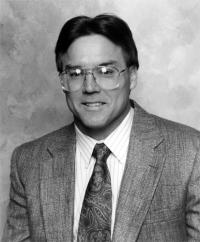
Phillip H. Hossler - 1999
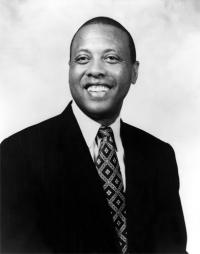
Ronnie P. Barnes - 1999
Ronnie Barnes was the first president of the NATA Research & Education Foundation and was president of the Professional Football Athletic Trainers' Society. He has devoted his career to promoting the athletic trainer and improving the profession. Barnes joined the NFL's New York Giants in 1980 and now works as vice president of medical services.
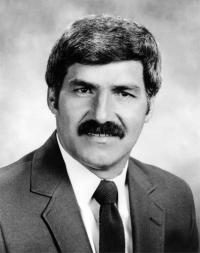
James Booher - 1998
Jim Booher retired in 2009 after 42 years at South Dakota State University as head athletic trainer, professor and program director. Booher served on the NATA Board of Directors from 1990-93 and chaired the NATA Governance Task Force from 1992-95. He was a charter member and first president of the South Dakota Athletic Trainers' Association.
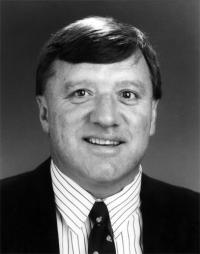
James Whitesel - 1998
Jim Whitesel worked as an athletic trainer for the Seattle Seahawks from 1976-98. He served on the NATA board and assisted in designing injury prevention devices, including a therapeutic knee brace. His staff was named NFL Athletic Training Staff of the Year in 1988. Whitesel has since opened a private practice, Whitesel ProTherapy.
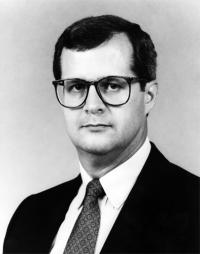
John W. Schrader - 1998
John Schrader rose through the ranks into administration at Indiana University. He served on the NATA board and was co-chair of the Education Task Force that was instrumental in education reform. He continues to mentor athletic training educators and is IU's graduate athletic training program director, coordinator of the athletic training education program, and associate chair of the kinesiology department.
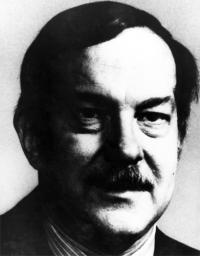
Daniel J. Libera - 1997
1947-1997
Dan Libera was an athletic trainer and educator at the University of Northern Colorado for 26 years. He was a founding member of the Colorado Athletic Trainers' Association. He held several offices in the NATA, including District Seven Research and Injury Committee, Membership Committee, Board of Directors and Board of Certification. In 1995, an award bearing his name was established by the Board of Certification.
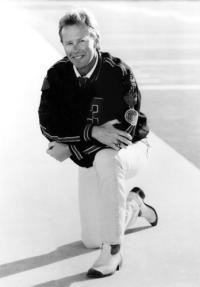
Mark J. Smaha - 1997
NATA President #6
Mark Smaha was the head athletic trainer at Washington State University from 1978 until retiring in 1999. As NATA president, he guided the association through economic challenges and changes in staff leadership. As an athletic trainer, he guided Marshall University through the worst fatality in college sports history. Smaha received three President's Commendations for Life Saving Emergencies and was nominated for the NCAA Award of Valor in 1982. He currently works as a consultant and speaker.
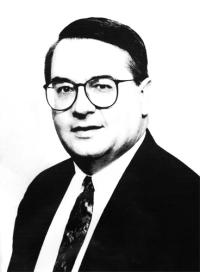
Paul Grace - 1996
Paul Grace's legacy to the profession lies in the credibility of the credential. Grace chaired the Board of Certification and later served as BOC executive director. He was president of the EATA and the National Organization for Competency Assurance, and he worked as the coordinator of sports medicine at the Massachusetts Institute of Technology and a clinical instructor in athletic training at Northeastern University. He is now an executive with the National Board for Certification in Occupational Therapy.
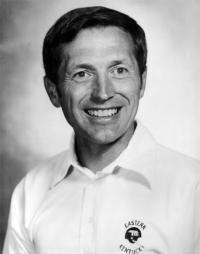
Robert M. "Bobby" Barton - 1996
NATA President #4
Bobby Barton spent 27 years as the head athletic trainer and program director at Eastern Kentucky University, turning his gift for leadership into a motivating force. After serving as NATA president, he helped get the NATA Research & Education Foundation underway and co-authored the athletic training certification law for the Commonwealth of Kentucky. He continues to mentor students and professionals as a professor emeritus at Eastern Kentucky.
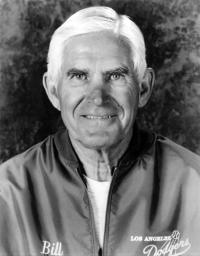
William Buhler - 1996
1925-2003
Bill Buhler was head athletic trainer for the Los Angeles Dodgers for over 44 years. He conceived and initiated a method of icing pitchers' shoulders and elbows to minimize the effects of micro trauma, began the practice of having outfielders throw between innings to keep loose and patented safety equipment to protect catchers from head to toe.