
Facilitating Peer Progress
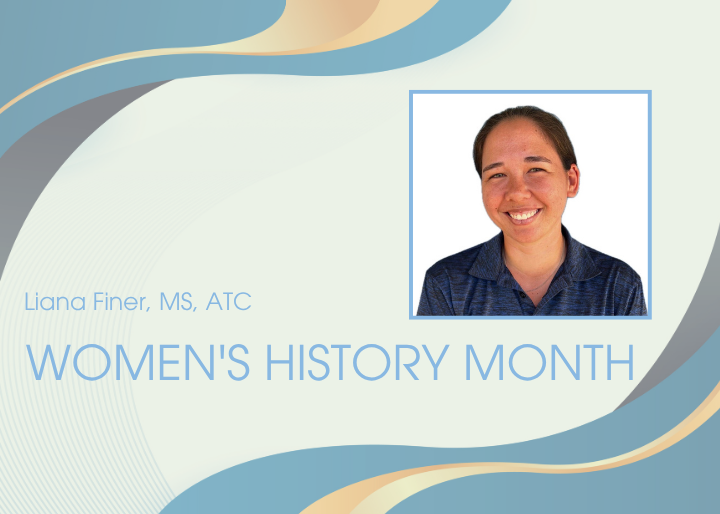
In honor of Women’s History Month this March, NATA is highlighting women leaders who are working to advance the athletic training profession at the state, district and national levels.
Guided by mentors and a belief in strong representation, Hawaii Athletic Trainers’ Association Vice President Liana Finer, MS, ATC, encourages athletic trainers to volunteer at any level, knowing every role builds skills and connections.
“Being in leadership has taught me that it’s OK to be pushed outside of your comfort zone,” Finer said. “This can apply to anything, and I’ve noticed that I’m more capable of dealing with uncomfortable situations than I have been in the past.”
Finer now applies these leadership lessons in her role as HATA vice president, collaborating with committees and the Executive Board to guide initiatives and make decisions that support members and advance the profession.
Explore more about Finer’s story and impact on the profession.
What was your first leadership position within the athletic training profession and what inspired you to become a leader?
My first leadership position was HATA Young Professional Committee chair. I also started helping with the HATA website around the same time. I have always tried to be helpful. So, when HATA needed people to fill positions, I was asked if I could volunteer. Knowing there were supportive athletic trainers to guide me made helping HATA an easy choice.
Tell us about your current leadership position and what you hope to accomplish in this role.
As the current HATA vice president, I support committees with initiatives they would like to accomplish. I also work with the HATA Executive Board to make decisions about HATA and what’s best for our members and the profession.
Why is representation in leadership important and how does it impact the profession?
Representation is important in leadership because not only do people hear what you say, they also see what you do. When we demonstrate good leadership with actions, we can inspire others to do the same, whether their contributions are big or small.
Who are the women in the profession who have inspired or mentored you in your leadership journey?
Many names come to mind, but a few women I would like to mention are Nicole Awaya, MEd, ATC, Marissa Fukunaga, EdD, ATC, and Amy Shirk, MS, ATC. I’ve worked with them closely through volunteering with HATA. Their hard work motivates me to push myself to be a better leader.
How has leadership helped you grow personally and professionally?
Being in leadership has taught me that it’s OK to be pushed outside of your comfort zone. This can apply to anything, and I’ve noticed that I’m more capable of dealing with uncomfortable situations than I have been in the past. Leadership has allowed me to become more confident with myself, and I’m grateful for that.
What’s your fondest memory of serving so far?
I don’t have one favorite memory, but so far, the memories that come to mind are when I’m able to support others. Whether it’s hearing them speak at a conference, participating in a 5K fun run or volunteering at a golf tournament, I believe showing up and being there for others makes a positive impact.
What advice do you have for other athletic trainers who want to give back to the profession?
Be open to trying new things and volunteering. Even if it’s a small task, such as helping with event check-ins, or something bigger, such as being the one to plan the event, every role is needed. You never know whom you’ll meet or what new skills you’ll learn that will help you along the way.

